In modern manufacturing, the strength and reliability of joints are critical to the quality and longevity of metal products. From automotive bodies to household appliances, secure connections ensure performance, safety, and durability. One technique that has become indispensable in achieving these objectives is spot welding.
Spot welding is a form of resistance welding that joins two or more metal sheets together at small contact points, or “spots,” using electrical current and pressure. Its efficiency, precision, and consistency make it a preferred method across industries where strength and reliability are non-negotiable.
In this article, we will explore the mechanics of spot welding, its advantages, key applications, and best practices for achieving optimal results.
1. Understanding Spot Welding
Spot welding works on the principle of resistance heating. When an electric current passes through the metal sheets, the resistance at the contact point generates heat, causing the metal to melt locally. The application of pressure from electrodes ensures that the molten area fuses into a strong joint as it cools.
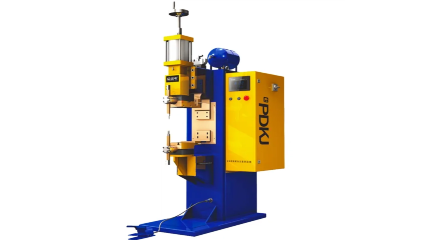
Key components of a spot welding machine include:
Electrodes: Conduct electricity and apply pressure to the metal sheets.
Transformer: Converts input power into the appropriate current for welding.
Control system: Regulates current, pressure, and timing to achieve consistent welds.
The process is fast, precise, and requires minimal preparation of the metal surfaces, making it ideal for high-volume production.
2. Advantages of Spot Welding
a Strong and Reliable Joints
Spot welding produces concentrated heat at the exact point of contact, resulting in high-quality welds that withstand stress, vibration, and repeated loads. Properly executed welds ensure that products perform reliably throughout their service life.
b Speed and Efficiency
One of the main benefits of spot welding is speed. The process is almost instantaneous, with each weld taking only a fraction of a second. This makes it suitable for mass production, where thousands of welds may be required in automotive or appliance manufacturing.
c Minimal Material Distortion
Because spot welding focuses heat only at specific points, it minimizes warping and distortion of the surrounding metal. This preserves the integrity and appearance of the final product, reducing the need for post-weld finishing.
d Cost-Effectiveness
Spot welding requires minimal filler material and can often be performed without pre-drilled holes or additional preparation. Its speed and low resource requirements make it a cost-effective joining method for manufacturers.
3. Applications of Spot Welding
a Automotive Industry
Spot welding is extensively used in car manufacturing. From assembling the chassis to joining body panels, it ensures durable, uniform, and aesthetically clean joints. Strong welds are essential for vehicle safety, crash resistance, and overall structural integrity.
b Electronics and Appliances
Spot welding joins sheet metal parts in electronic enclosures, refrigerators, washing machines, and air conditioning units. Precision is critical to avoid damaging sensitive components, and spot welding achieves this with minimal heat spread.
c Aerospace and Transportation
Aircraft components, train panels, and other high-performance transportation systems benefit from spot welding due to its strength, reliability, and ability to handle lightweight metals like aluminum alloys.
d Construction and Industrial Equipment
Metal frameworks, storage racks, and machinery often require multiple sheet metal joints. Spot welding provides fast and durable connections, ensuring that equipment can withstand heavy use over time.

4. Monthly and Quarterly Maintenance
Long-term maintenance is critical to ensure that a spot welding machine continues to operate efficiently and reliably over years of use. While daily and weekly routines address immediate concerns, monthly and quarterly checks help identify developing issues before they become serious problems.
Calibrating Control Systems: Consistent weld quality relies heavily on accurate timing, current, and voltage settings. Monthly calibration ensures that the control system maintains precise parameters for every weld, minimizing defects and improving repeatability. Regular calibration also helps detect early signs of sensor drift or controller malfunctions that could compromise production.
Inspecting Pneumatic or Hydraulic Systems: Many spot welding machines utilize air or hydraulic pressure to regulate electrode force. Over time, seals may wear, hoses may develop micro-leaks, or pressure regulators may drift out of specification. Conducting a detailed inspection monthly or quarterly ensures that all pneumatic or hydraulic components maintain optimal performance, preventing inconsistent weld penetration and extending the life of mechanical parts.
Checking Ground Connections: Proper grounding is essential for both efficiency and safety. Poorly grounded machines can experience energy loss, unstable welding current, and even pose electrical hazards to operators. Inspecting grounding cables, clamps, and contact points ensures that the system remains secure, reliable, and compliant with safety regulations.
Assessing Overall Machine Structure: Spot welding machines endure significant mechanical and thermal stress during operation. Regularly inspecting the frame, mounting points, and critical supports for signs of fatigue, cracks, or corrosion helps maintain structural integrity. Addressing minor issues early prevents costly repairs, reduces the risk of accidents, and ensures the machine operates at peak efficiency.
By adhering to these monthly and quarterly checks, manufacturers not only preserve machine performance but also create a proactive maintenance culture that minimizes downtime and avoids unexpected failures.
5. Best Practices for Extending Machine Lifespan
Proper maintenance extends beyond routine checks—it involves adopting practices that preserve the machine’s functionality and efficiency over its entire service life.
Use Proper Materials: Always operate the machine within the recommended specifications for metal types and thicknesses. Overloading or attempting to weld incompatible materials places undue stress on electrodes, transformers, and mechanical components, accelerating wear and increasing the risk of breakdowns.
Maintain a Consistent Cleaning Routine: Accumulation of metal particles, debris, and oxidation on electrodes or other conductive surfaces can reduce energy transfer and weld quality. Regular cleaning ensures consistent electrical contact and prevents buildup that can degrade performance.
Train Operators: Proper operator training is critical to machine longevity. Skilled operators understand the correct electrode positioning, pressure settings, and machine handling techniques. This reduces mechanical strain, prevents misuse, and ensures consistent, high-quality welds while maintaining safety standards.
Document Maintenance: Keeping detailed records of daily, weekly, and monthly checks helps track trends in wear, component performance, and system issues. Maintenance logs allow technicians to anticipate part replacements, schedule preventive interventions, and avoid emergency downtime. Over time, this documentation becomes invaluable for predictive maintenance planning and operational efficiency.
Regularly Update Software and Controls: If the machine includes digital controllers or automated systems, ensure that firmware and software updates are installed as recommended by the manufacturer. Updates often include improvements to energy efficiency, welding precision, and diagnostic capabilities, helping keep the machine operating at its best.
6. Innovations in Spot Welding
Recent technological advancements have further enhanced the capabilities of spot welding:
Programmable Machines: CNC-controlled systems allow precise adjustment of current, pressure, and weld patterns.
Advanced Electrode Materials: Tungsten-copper or copper-chrome alloys improve conductivity and durability.
Real-Time Monitoring: Sensors track weld quality in real-time, reducing defective products and ensuring consistency.
Eco-Friendly Processes: Efficient energy use and minimal waste contribute to sustainable manufacturing practices.
7. Conclusion
Spot welding remains a cornerstone of modern metal fabrication due to its speed, efficiency, and ability to produce strong, reliable joints. By focusing heat precisely at contact points, manufacturers can achieve durable welds with minimal distortion, making it ideal for automotive, electronics, aerospace, and industrial applications.
For companies and professionals looking to improve production quality and efficiency, investing in high-quality spot welding machines and adhering to best practices is essential. Proper machine maintenance, operator training, and technological enhancements all contribute to superior results.
For more information on advanced spot welding machines and solutions, visit www.pdkjwelder.com. Their products provide reliable performance, safety, and precision—perfect for manufacturers seeking to optimize their welding operations without compromising quality.