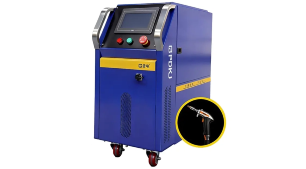
Laser welding machines represent the cutting-edge of modern manufacturing, combining speed, precision, and minimal heat distortion. Unlike traditional arc, MIG, or TIG welding, lasers offer highly concentrated energy for localized melting, allowing clean, strong welds with minimal post-weld finishing. From automotive body panels to microelectronics, understanding how to safely and effectively operate a laser welding machine is essential for both beginners and experienced operators.
Overview of Modern Welding Technologies
Laser welding differs significantly from conventional welding techniques. Whereas MIG and TIG involve electric arcs and filler materials, laser welding focuses a concentrated light beam onto the material to generate precise fusion. The main advantages include:
· Minimal Distortion: Heat is localized, reducing warping of thin or delicate components.
· Clean Edges: Less spatter and residue compared to traditional welding.
· High Precision: Accurate control over weld depth, width, and penetration.
Laser welding has become a standard in industries where quality and repeatability are critical, including aerospace, automotive, medical, and electronics sectors.
Key Features of a Laser Welding Machine
Concentrated Energy for Localized Melting
Laser beams deliver energy in a highly focused manner, allowing metals to fuse at exact points with minimal heat-affected zones. This ensures structural integrity and preserves surrounding materials.
Multi-Functionality
Modern machines often combine welding, cutting, and surface treatment capabilities in a single unit, providing versatility for a variety of industrial tasks.
Adjustable Power and Pulse Settings
Operators can modify laser intensity, pulse frequency, and speed to match the material, thickness, and desired weld quality, allowing flexibility for multiple projects.
Types of Laser Welding Machines
Fiber Laser Welders
Ideal for fine, high-precision work, particularly with reflective metals like copper or aluminum.
CO₂ Laser Welders
Well-suited for thicker metal plates and non-metallic materials, offering strong penetration and consistent welds.
Nd:YAG Laser Welders
Commonly used for micro, spot, and seam welding, especially in jewelry, electronics, and medical instruments.
")
Safety Preparations
Before operating any laser welding machine, safety must be the top priority to protect operators, bystanders, and the surrounding workspace. Laser welding produces intense light, heat, and fumes, making proper precautions essential.
Protective Gear
Eyewear: Operators must wear laser-specific protective glasses that match the wavelength of the laser being used. Ordinary safety glasses are not sufficient, as direct or reflected laser beams can cause severe eye injuries, including permanent vision loss.
Gloves: Heat-resistant gloves protect hands from burns caused by hot workpieces, sparks, or accidental contact with the laser. Gloves should allow dexterity for precise handling without compromising protection.
Clothing: Long sleeves, flame-resistant clothing, and closed-toe shoes provide additional safety against sparks and hot debris.
Ventilation & Fume Extraction
A well-ventilated workspace is critical for removing harmful smoke, metal vapors, and particulate matter generated during welding. Fume extraction systems should be positioned near the welding zone to capture contaminants at the source. This not only protects the operator’s respiratory health but also prevents residue buildup on equipment and work surfaces.
Fire Safety & Work Area Setup
Flammable materials must be kept at a safe distance from the welding area. Fire extinguishers rated for electrical and metal fires should be readily accessible. The workspace should be organized and free of clutter to prevent accidents and allow safe movement of the operator and any robotic or manual equipment.
Setting Up the Machine
Proper setup ensures both safety and optimal welding quality.
Assembly of Units
Handheld Units: Follow the manufacturer’s instructions carefully. Secure the laser source, optics, and handle assembly to prevent misalignment or accidental movement during operation.
Stationary Units: Mount stationary laser welders on stable, vibration-free surfaces. Allow sufficient spacing around the unit for cooling, maintenance, and safe access to the workpiece.
Connecting Systems
Verify power supply voltage and proper grounding before operation. Connect cooling circuits, whether water or air-based, to prevent overheating of the laser source. Optional shielding gas lines should be installed if the specific material requires protection from oxidation or contamination during welding.
Calibration
Align the laser beam precisely with the workpiece to ensure accurate weld placement. Conduct test runs with basic settings appropriate for the material thickness and type. This calibration step ensures consistent weld quality and minimizes errors during full-scale operation.
Operating Steps
Prepare Metal Pieces
Cleaning Surfaces
Before beginning any laser welding process, it is essential to thoroughly clean all metal surfaces. Oils, grease, rust, dirt, and other contaminants can interfere with laser absorption and lead to weak welds, porosity, or discoloration. Use degreasers, solvents, or mechanical cleaning tools such as wire brushes or abrasive pads to prepare the metal. Ensuring a clean, smooth surface is the first critical step toward producing high-quality welds and avoiding rework or material waste.
Aligning and Securing Workpieces
Proper alignment and stabilization of the workpieces are crucial for accurate welding. Fixtures, clamps, or custom jigs help hold metals in the correct orientation, preventing shifting during laser operation. Maintaining precise alignment ensures consistent weld penetration and minimizes stress on the material. For complex geometries or multi-part assemblies, using adjustable positioning tools or robotic arms can further improve accuracy and reproducibility.
Adjust Laser Parameters
Power Settings
The laser’s power must be carefully set according to the material type, thickness, and desired weld depth. Insufficient power can result in incomplete fusion, while excessive power may burn through thin metals or create unwanted spatter. Understanding each material’s thermal properties is critical, as metals with high thermal conductivity, such as aluminum or copper, require more precise adjustments to achieve uniform results.
Pulse Frequency & Speed
Pulse frequency and welding speed affect the heat input and quality of the weld. Optimizing these parameters ensures uniform fusion without creating large heat-affected zones. Faster speeds reduce distortion but may decrease penetration, whereas slower speeds allow deeper welds but risk warping thinner materials. Consistent monitoring and incremental adjustments during trial runs help achieve the optimal balance for each project.
Test Runs
Always conduct test welds on scrap pieces before executing the main weld. This allows operators to verify settings, observe how the material responds to the laser, and make any necessary adjustments. Test runs are especially important when working with new materials, mixed alloys, or intricate designs where tolerances are tight.
Perform Welding
Steady Movement
Maintaining a consistent hand movement or robotic guidance is key for even welds. Any irregularity in motion can cause uneven penetration, visual defects, or weak spots. For manual operations, operators should practice controlled, smooth movements; for automated systems, programming precise trajectories ensures repeatable quality.
Monitor Weld Quality
Continuous observation during welding allows for immediate detection of issues such as undercutting, cracks, porosity, or incomplete fusion. Indicators like color change or smoke patterns can provide clues about the adequacy of energy input. Promptly identifying these signs prevents material waste and reduces post-weld corrections.
Handling Defects
If defects appear, pause the operation immediately. Adjust parameters such as laser power, speed, or focus to address the issue. In some cases, repositioning the workpiece or adding supplemental shielding gas may be necessary. Correcting problems in real-time helps maintain overall weld integrity and reduces the likelihood of part rejection.
Post-Welding Process
Cleaning
After welding, remove oxidation, slag, or residue to ensure a smooth and professional finish. Compressed air, brushing, or chemical cleaning agents can be used depending on the material and application. Clean surfaces not only improve aesthetics but also enhance subsequent processes like coating or assembly.
Polishing & Finishing
Optional polishing, grinding, or buffing can be performed to achieve a uniform surface appearance, especially for visible components. Finishing enhances the aesthetic appeal while also removing minor irregularities in the weld seam. Careful post-weld processing ensures both functional strength and a visually appealing final product.
Maintenance and Longevity
Proper maintenance extends the machine’s lifespan and ensures consistent weld quality.
Cleaning Optics
Lenses, mirrors, and protective windows must be free of dust, debris, and smoke residue.
Cooling Systems
Check water flow, temperature, and air circulation regularly.
Replacing Consumables
Nozzles, filters, and protective glass must be replaced as needed.
Periodic Inspections
Verify alignment, calibration, and system functionality.
Adjusting for Different Materials
Aluminum
High thermal conductivity requires careful control of power and speed.
Copper
Reflective surfaces may require fiber lasers or coatings to prevent back-reflection.
Steel and Stainless Steel
Optimal settings depend on thickness, alloy composition, and desired penetration depth.
Titanium & Nickel Alloys
Heat-sensitive metals require precise thermal management to avoid warping or discoloration.
Common Mistakes and Solutions
Problem | Cause | Solution |
Burn-through | Excessive power or slow speed | Reduce power, increase welding speed |
Weak weld | Insufficient penetration | Increase power or focus beam |
Warping | Thin sheet, high heat | Use clamps or heat sinks |
Misalignment | Poor fixture setup | Re-calibrate, secure properly |
Other common issues include fume buildup, lens contamination, and operator fatigue—each mitigated by proper safety measures, maintenance, and work planning.
FAQ (Frequently Asked Questions)
Q1: Can beginners operate a laser welding machine?
A: Yes, but practice on scrap materials is highly recommended.
Q2: How often should optics be cleaned?
A: Every 20–30 hours of operation or as specified by the manufacturer.
Q3: Do small-scale projects require a wire feeder?
A: Not always; depends on weld type and material thickness.
Q4: Is indoor ventilation necessary?
A: Yes, fume extraction ensures a safe environment.
Q5: How to avoid laser reflection hazards?
A: Use protective coatings, adjust angles, and wear laser-specific safety glasses.
Conclusion
Laser welding machines provide unmatched precision, efficiency, and versatility compared to traditional welding methods. By following proper safety protocols, setup procedures, and regular maintenance, operators can ensure superior weld quality and extend the lifespan of their equipment. This transformative technology is widely used across automotive, aerospace, medical, and electronics industries, enabling faster production with minimal heat distortion and material waste. For advanced laser welding solutions and expert guidance, PDKJ Technology offers high-performance machines designed to meet diverse industrial needs. Contact PDKJ Technology today to explore their products and discover how their equipment can enhance your manufacturing capabilities.